Saturday, May 27, 2017

BEST WAYS TO KEEP RAW FRUITS AND VEGETABLE SAFE


BEST WAYS TO KEEP RAW FRUITS AND VEGETABLES SAFE
PREPARED BY SHAYO PASCAL  BAPRM 47634
  • Wash your hands with hot soap water before and after preparing food.
  • Clean your counter top, cutting boards, and utensils after peeling produce and before cutting and chopping. Bacteria from the outside of raw produce can be transferred to the inside when it is cut or peeled. Wash kitchen surfaces and utensils with hot, soapy water after preparing each food item.
  • Do not wash produce with soaps or detergents.
  • Use clean potable cold water to wash items.
  • For produce with thick skin, use a vegetable brush to help wash away hard-to-remove microbes.
  • Some produce such as raspberries should not be soaked in water. Put fragile produce in a colander and spray it with distilled water.
  • After washing, dry with clean paper towel. This can remove more bacteria.
  • Eating on the run? Fill a spray bottle with distilled water and use it to wash apples and other fruits.
  • Don’t forget that homegrown, farmers market, and grocery store fruits and vegetables should also be well washed.
  • Do not rewash packaged products labeled “ready-to-eat,” “washed” or “triple washed.”
  • Once cut or peeled, refrigerate as soon as possible at 40ºF or below.
  • Do not purchase cut produce that is not refrigerated


HAVE YOU EVER HEARD OR SEEN OR EATEN SUGAR APPLE?

What then is sugar apple? Sugar apple is one of the most important fruits among the long lists of medicinal and nutritive fruits. Sugar apple is also known as sweetsop, sugar-pineapple, custard apple but also in Kiswahili we call it (tope tope)There arespectacular things about this fruit that you shouldactually know about, is that apart from eating the sugar apple as a fruit, also you can convert this fruit as your quick homemade herbal fruit for tackling several disease, the reasons why you constantly need this fruit very close to you. And to why lucky fruits vegits has proudly brought this fruits to your reach is because we love you our dear customers we care for all your needs


Benefits of Sugar Apple


Ø  Ideal for pregnant women; Sweetsop contains a high amount of folate (folic acid), which is a super vital vitamin for pregnant women. Even women trying to conceive are highly recommended to include folate in their daily diets as this vitamin helps to prevent neural tube defects. Lactating mothers are also encouraged to regularly eat sugar apple as it facilitates milk production.


Ø  Promotes healthy heart: Sugar apple is an excellent source of vitamin B6 which is essential for preventing the accumulation of homocysteine in the blood. Studies reveal that retaining high amount of amino acid in the blood has higher chances of causing stroke and coronary heart disease. The high amount of magnesium in sweetsop helps to disentangle the muscles of the heart thereby reducing the risk of heart attack and stroke


Ø  Prevents Asthma: Sweetsop is an excellent source of vitamin C and antioxidants thus helps to minimize the risk of asthma attacks. Individuals suffering from asthma are highly recommended to include more sweetsops in their diets.


  • Regulates Sugar Level: Sugar apple contains high amount of dietary fiber which have be found effective in minimizing the onset of type-2 diabetes.  The fruit also reduces the absorption of sugar in the body.
  • Controls the Blood Pressure Level: The presence of potassium in sweetsop makes this fruit effective for regulating the blood pressure level.
  • Prevents Anemia: Sweetsop is an excellent source of iron which is essential for preventing and treating anemia.


BY: JACQUILINE JAWA
BAPRM 47506
The importance of fruits and vegetable marketing to developing countries
In many countries, and virtually every less developed country, agriculture is the biggest single industry. Agriculture typically employs over fifty percent of the labour force in less developed countries with industry and commerce dependent upon it as a source of raw materials and as a market for manufactured goods. Hence many argue that the development of agriculture and the marketing systems which impinge upon it are at the heart of the economic growth process in LDCs, in LDCs the consumer frequently spends in excess of fifty percent of the household's income on basic foodstuffs - much of which is inadequate both in quality and nutritional content. By contrast Americans spend approximately twelve percent of their total disposable income on fruits and vegetable. In Western Europe the figure ranges from about sixteen to nineteen percent of disposable income. Furthermore, whereas in developed countries the poor are relatively few in number, and therefore it is economically possible to establish special food distribution programmers to meet their needs, the scale of poverty in most LDCs is such that the commercial marketing system must be relied upon to perform the task of fruits and vegetable distribution to poor and not-so-poor alike. This being so, it is imperative that the marketing system performs efficiently.
The potential contribution of fruits and vegetable marketing, towards attempts to improve rural incomes in developing countries. The inequality of incomes between the rural and urban areas draws people away from fruits and vegetable production and places great stress upon the infrastructure and social services of a country's towns and cities.
Another development which has in recent times increased interest in marketing practices is the trend, in many developing countries such as Tanzania, Uganda and other, towards market liberalization as part of economic structural adjustment programmers. The view that direct and indirect government participation in production and distribution had brought about structural distortions in economies has become widely accepted. Measures intended to correct these distortions include a return to market prices for all products and resources, the encouragement of a competitive private sector and the commercialization, and sometimes privatization, of all or some of the functions of marketing parastatals. All of this requires a better understanding of marketing practices and processes within the country implementing economic structural adjustment programmers, in general, and within the fruits and vegetable marketing parastatals affected, in particular.


The most traded vegetables are tomatoes and onions. Developing countries account for virtually all exports of bananas and tropical fruits, and about half the trade in citrus. The value of exports such as avocados, melons, pears, green beans, tomatoes, asparagus, aubergines and onions is higher in developing than in developed countries with a concentration of exports from a few countries (Table 1). However, the participation of the least developed countries (LDCs) in trade is very low: during 1997-2001 their share in fruit was 0.5 percent, and in vegetables, 0.8 percent.

The Tanzania Horticultural Development Strategy 2012-2021

The Tanzania Horticultural Development Strategy 2012-2021

By Komba Brigida baprm 47531

The horticultural industry envisages developing a robust competitive horticultural sector capable of making the country self-sufficient in nutrition and sustainable supply of high quality horticultural produce for domestic, regional and international markets. The Tanzania Horticultural Development Strategy 2012-2021 is a demand-driven initiative of the horticulture stakeholders to exploit the fast growing demand and market opportunities available in the national, regional and international markets. This sub sector has been identified as one of the priority sectors in the National Export Strategy (2008), Kilimo Kwanza Resolution and key in diversification of the agricultural sector from overdependence on traditional primary products. It has a potential to become one of the main sources of foreign exchange earnings for Tanzania. The strategy envisages facilitating the development of horticultural industry so as to improve nutritional status, increase incomes and reduce poverty while increasing productivity and quality of the produce. Horticulture is an important sub-sector that can exploit the potential of the country particularly the underutilised arable land of 44.0 million ha and the irrigatable land of 29.0m ha that horticulture tapes. Currently the irrigated acreage is 290,000 ha which is very negligible size compared to the potential. The Tanzanian horticultural industry faces several universal challenges, namely, weak production base, low productivity and quality, invisibility and marginalisation, and limited access to finance especially lack of long-term financing and investment. It also faces bottlenecks in land, policy and infrastructure, inadequate market development support, weak industry linkages, limited entrepreneurship capability and inadequate skilled and competent human resources. For the Industry to attain its potential, it needs to overcome the following five key constraints: • Un-coordinated activities, • Inadequate information for development of the sub-sector, • Inefficient investment environment, • Insufficient awareness among Tanzanians about the economic and social potential for horticulture and • Limited access to micro credit for financing small scale farmers. However, responding to these challenges will require a greater degree of partnership between public and private actors. This strategy therefore, addresses key challenges facing the horticultural industry and proposes interventions to guide the development of the industry in Tanzania. These challenges are consistent with the national development priorities and goals, which are spelt out in the Tanzania National Development Vision 2025 as well as the poverty reduction frameworks namely; the National Strategy for Growth and Reduction of Poverty (NSGRP or MKUKUTA) and the Zanzibar Poverty Reduction Plan (ZPRP or MKUZA). The primary goal of Vision 2025 is to improve the quality of life of the people of Tanzania through a strong, diversified, resilient and competitive economy with the capacity to adapt to changing markets and technological conditions.

Saturday, May 20, 2017


PREPARED BY

SHAYO PASCAL, J.

BAPRM 47634

THE REAL FACT TO EAT MORE FRUIT AND VEGETABLES

This is real that which advised by the specialist on how to eat Fruits and vegetables which is high in vitamins, minerals and fiber and they are low in calories. Eating a variety of fruits and vegetables may help you control your weight and blood pressure.

They are all good, if you eat many different types of fruits and vegetable, you are sure to get all the different types of nutrients you need. The American Heart Association recommends filling at least half your plate with fruits and vegetables in order to make it to the recommended some cups of each per day. The good news is that all produce counts, which means canned, fresh and frozen varieties can help you reach your goal.

When buying canned, dried or frozen vegetables and fruit, be sure to compare food labels and choose the products with the lowest amount of sodium and added sugars.

Fruits and vegetables are high in vitamins, minerals and fiber and they are low in calories. Eating a variety of fruits and vegetables may help you control your weight and blood pressure.


MWEMUTSI CAROLINE ANAM BAPRM 47603

BY MWEMUTSI CAROLINE ANAM       BAPRM   47603
AS MARKETING MANAGER


Lucky fruits and vegetables brings you the health benefit of eating fruits and vegetables, it is our policy to sale for you different kind of fruits and vegetables and today as a marketing manager i came up with the benefit of having fruits to our customers.

Eating a diet with plenty of fruits and vegetables has been linked to improved health, and for good reason. Veggies and fruits (both fresh and frozen) are loaded with vitamins, minerals, fiber, and antioxidants, which have been shown to protect against chronic diseases such as heart disease and cancer. They are also low in calories, making them a great choice for your waistline. Choosing a colorful assortment vegetables is best, as different benefits exist in the different color spectrum. The orange pigment found in carrots, pumpkin, and sweet potatoes, for example, contain the antioxidant beta-carotene. The deep red pigment found in tomatoes contain the antioxidant lycopene, which is linked with prostate health.


And for some great news, here are two food groups where you can eat a large portion and not have to worry about weight gain. (Just watch your portion of starchy veggies such as corn and potatoes.)
With so much of a focus on eating low-carbohydrate diets, as a practicing nutritionist, I often get asked by my clients, “Will I gain weight if I eat too many fruits such as watermelon?” The answer is NO! In fact, quite the contrary. They are also low in calories, making them a great choice for your waistline. And, they are good for your health.
While all fruits and vegetables are healthy, below are several pointers on some nutrition powerhouses.
                                              "lets stay health"


CONSUMER DOMAINS AND FRUIT AND VEGETABLE SUPPLY NETWORKS.

An important issue in the design of intervention strategies is the fact that different types of consumers like socioeconomic groups. Acquire and utilize fruits and vegetables in different ways and there are different type of producers and suppliers in order to design sound.
Rural small holders producing fruits and vegetables for own consumption and market supply posses the following characteristics.
. Own production of fruit and vegetables
. Collection of fruits and vegetables
. Exchange of fruits and vegetables for other good including gifts
. Often tasks division between men and women whereby men produce cashcrops and women produce fruits and vegetables for own consumption around the house for in a small garden.
. Vegetables consumed are more often home grown fruits if consumed , more often purchased.
Mixed consumer rural and parricullary urban gardens but also dependant on market supply they have also posses the following characteristics.
. Often belonging to low-to mid income levels
. Fruits and vegetables which they grow are limited in range and amount.

PREPARED BY
KIPALULE WINFRIDA THOM
BAPRM 47527


SOURSOP FRUITS ARE HERE FOR YOUR DEAR CUSTOMER!

Sour sop is large prickly, heart shaped green colored fruit is mostly likely growing in the tropical region. This fruits is covered with ridges on the outside and has a very soft juicy fresh inside and generally fibrous fresh commonly this fruit is known as (stafeli) in Swahili.

Due to the demand of our customer that we should increase more variety of frits at our store such as sour sop fruits which are rare to find in the market, But the fruit is used in many ways such as often used in beverages, ice creams and other sweet foods, since we at our organization we care for you our dear customers so we have brought you other more variety of fruits more than you can imagine

And here are the things that I know you don’t know much on the importance of consuming this fruit that is apart from its great test ,amazingly this fruit has a lot of benefit health  to human and I will give you same of the benefits which are

The fruit can cure diseases because in history this fruit is known as MEDICINAL VALUE, because it contains the natural compound with medical benefit. There fore tis fruit can kill cancer cells up to thousand times and it more effective than the drugs

Apart from the fruits its self the whole tree from the leaves to the roots of this plant plays great role in human body since each part of the tree has its own benefits the leaves, bark, seeds, and the roots. This fruit is also good for skin hair and health at large

The frits had the following beneficiaries to the human body such  as, it kills cancer cells, it increases energy, it prevent the nerve damage, treatment of infant diarrhea, it relieves constipation, it promote sleep since it contains chemical called tryptophan that promote sleepiness and relaxation, it treats UTI,and relieves pain therefore these are just sum of the beneficiaries of consuming this fruit if you need more information about this fruit and many other fruits visit us at our organization and store we will serve to your desired products your warmly welcome

BY: JAWA JACQUILINE K
BAPRM 47506

IS TOMATO A FRUIT OR A VEGETABLE???
The confusion about 'fruit' and 'vegetable' arises because of the differences in usage between scientists and cooks. Scientifically speaking, a tomato is definitely a fruit. True fruits are developed from the ovary in the base of the flower, and contain the seeds of the plant (though cultivated forms may be seedless). Blueberries, raspberries, and oranges are true fruits, and so are many kinds of nut. Some plants have a soft part which supports the seeds and is also called a 'fruit', though it is not developed from the ovary: the strawberry is an example.
As far as cooking is concerned, some things which are strictly fruits, such as tomatoes or bean pods, may be called 'vegetables' because they are used in savory rather than sweet cooking. The term 'vegetable' is more generally used of other edible parts of plants, such as cabbage leaves, celery stalks, and potato tubers, which are not strictly the fruit of the plant from which they come. Occasionally the term 'fruit' may be used to refer to a part of a plant which is not a fruit, but which is used in sweet cooking: rhubarb, for example.
So, the answer to the question is that a tomato is technically the fruit of the tomato plant, but it's used as a vegetable in cooking.

KAMARA FELISTER SHAHIDI
CEO
BAPRM 47515

                                                                 LUCKY FRUITS AND VEGETABLE COMPANY LTD, 
                                                                  P.O.BOX 1945,
                                                                  MWANZA-TANZANIA,
                                                                  20/05/2017.
AMESHER COMPANY LTD,
P. O BOX 120,
MBEYA-TANZANIA.
            Dear Mr/Ms
                                    REF: ESTABLISHMENT OF JOINT VENTURE
            As the heading explains above, Lucky Fruits and Vegetable Company Ltd have an idea for establishing joint venture with your Company {Amesher Company Ltd}. Because yesterday we have discussed and now we agree that there is need both of us Companies to make joint venture in order to acquire a lot of customers and profit as well from our products and services that we supply.
            We will highly appreciate your response. Because our aim is to build good vision and mission among your Company and our Company that’s why we request to make joint venture with your Company.


Yours Sincerely, USWEGE MESHACK

Signature…………………………………..


PREPARED BY: USWEGE MESHACK

BAPRM 47647


The Tanzania Horticultural Development Strategy 2012-2021

The Tanzania Horticultural Development Strategy 2012-2021

By Komba Brigida baprm 47531

The horticultural industry envisages developing a robust competitive horticultural sector capable of making the country self-sufficient in nutrition and sustainable supply of high quality horticultural produce for domestic, regional and international markets. The Tanzania Horticultural Development Strategy 2012-2021 is a demand-driven initiative of the horticulture stakeholders to exploit the fast growing demand and market opportunities available in the national, regional and international markets. This sub sector has been identified as one of the priority sectors in the National Export Strategy (2008), Kilimo Kwanza Resolution and key in diversification of the agricultural sector from overdependence on traditional primary products. It has a potential to become one of the main sources of foreign exchange earnings for Tanzania. The strategy envisages facilitating the development of horticultural industry so as to improve nutritional status, increase incomes and reduce poverty while increasing productivity and quality of the produce. Horticulture is an important sub-sector that can exploit the potential of the country particularly the underutilised arable land of 44.0 million ha and the irrigatable land of 29.0m ha that horticulture tapes. Currently the irrigated acreage is 290,000 ha which is very negligible size compared to the potential. The Tanzanian horticultural industry faces several universal challenges, namely, weak production base, low productivity and quality, invisibility and marginalisation, and limited access to finance especially lack of long-term financing and investment. It also faces bottlenecks in land, policy and infrastructure, inadequate market development support, weak industry linkages, limited entrepreneurship capability and inadequate skilled and competent human resources. For the Industry to attain its potential, it needs to overcome the following five key constraints: • Un-coordinated activities, • Inadequate information for development of the sub-sector, • Inefficient investment environment, • Insufficient awareness among Tanzanians about the economic and social potential for horticulture and • Limited access to micro credit for financing small scale farmers. However, responding to these challenges will require a greater degree of partnership between public and private actors. This strategy therefore, addresses key challenges facing the horticultural industry and proposes interventions to guide the development of the industry in Tanzania. These challenges are consistent with the national development priorities and goals, which are spelt out in the Tanzania National Development Vision 2025 as well as the poverty reduction frameworks namely; the National Strategy for Growth and Reduction of Poverty (NSGRP or MKUKUTA) and the Zanzibar Poverty Reduction Plan (ZPRP or MKUZA). The primary goal of Vision 2025 is to improve the quality of life of the people of Tanzania through a strong, diversified, resilient and competitive economy with the capacity to adapt to changing markets and technological conditions.

How to Store Vegies and Fruits

We tend to waste a lot of fruits and vegetables at our homes, simply due to poor storage. As we know some frits may be a bit expensive, some not easily available and some may be easily rotten, but we can save all these costs by good storage. Today, let us learn a few general tips on how to store fruits and veggies in our kitchens.

v  Do Not Store Fruits and Vegetables Together. Fruits that give off high levels of ethylene (the ripening agent) can prematurely ripen and spoil surrounding vegetables. (Think of the "one bad apple" adage.)

v  For Vegetables: Before storing, remove ties and rubber bands and trim any leafy ends. Leave an inch to keep the vegetable from drying out. Make sure the bag you store the veggies in has some holes punctured to allow for good air flow. Pack vegetables loosely in the refrigerator. The closer they are, the quicker they will rot. Leafy greens can be washed before storing by soaking them in a sink full of water, while soft herbs and mushrooms should not be washed until right before they are used.
v  For Fruits: Non-cherry stone fruits, avocados, tomatoes, mangoes, melons, apples, and pears will continue to ripen if left sitting out on a countertop, while items like bell peppers, grapes, all citrus, and berries will only deteriorate and should be refrigerated. Bananas in particular ripen very quickly, and will also speed the ripening of any nearby fruits.


Hopefully, with the simple guidelines above we are now familiar on how to store our fruits and vegetables. Always keep it Fresh!
Ranana Muba
BAPRM 47593

Sunday, May 14, 2017

Tanzania Horticulture Association

Tanzania Horticulture Association
by KOMBA BRIGIDA BAPRM 47518

he Tanzania Horticultural Association (TAHA) is a Business Association grouping together all aspects of the Horticulture Industry in Tanzania. Since its inception in 2004 TAHA has successfully brought together the large scale professional operations and the many growers’ groups and small holders into a single bloc with a single business oriented set of interests. This achievement has resulted in TAHA becoming the fastest growing farmer organization in the region. And the recognition of that accomplishment has brought the partnerships and support that are continuing to transform the industry. The Government of Tanzania and Development Partners such as USAID, BEST-AC, the Royal Netherlands Embassy and Finnish Government are all involved in supporting Horticulture in projects in partnership with TAHA or in part designed with the advice and participation of TAHA. As a result TAHA is strategically placed to both influence the course development and advocate the reduction of constraints. By bringing the producers, traders, exporters and processors of all horticultural products – that is flowers, fruits, vegetables, spices, herbs and seeds - TAHA has created a single Voice. A voice of both large scale and small that resonates locally, nationally and internationally and with a common understanding that the challenge is about making business work. TAHA has been leading the industry in addressing that challenge and anticipates Horticulture’s contribution to be significant to both Economic Growth and Poverty Eradication

Saturday, May 13, 2017

CHARACTERISTICS OF CONSUMER DOMAINS AND FRUITS AND VEGETABLES SUPPLY NETWORK.
Fruits and vegetables are acquired in carrying amounts and from various supply sources ranging from home production through purchase in local,rural markets to supermarkets in urban centres.
Some consumers they may be classified as auto-consumers produce their own fruits and vegetables.
Those who are totally dependent on markets to procure fruits and vegetables may be termed as market dependent consumers and may be further divided into two distinct groups.
Firstly are those who acquire fruits and vegetables for the needs of the households.
Secondly are those who acquire fruits and vegetables for whom fruits and vegetables are purchased and prepared by others.
PREPARED BY
KIPALULE WINFRIDA THOM
BAPRM 47527

PREPARED BY SHAYO PASCAL J

BAPRM 47634

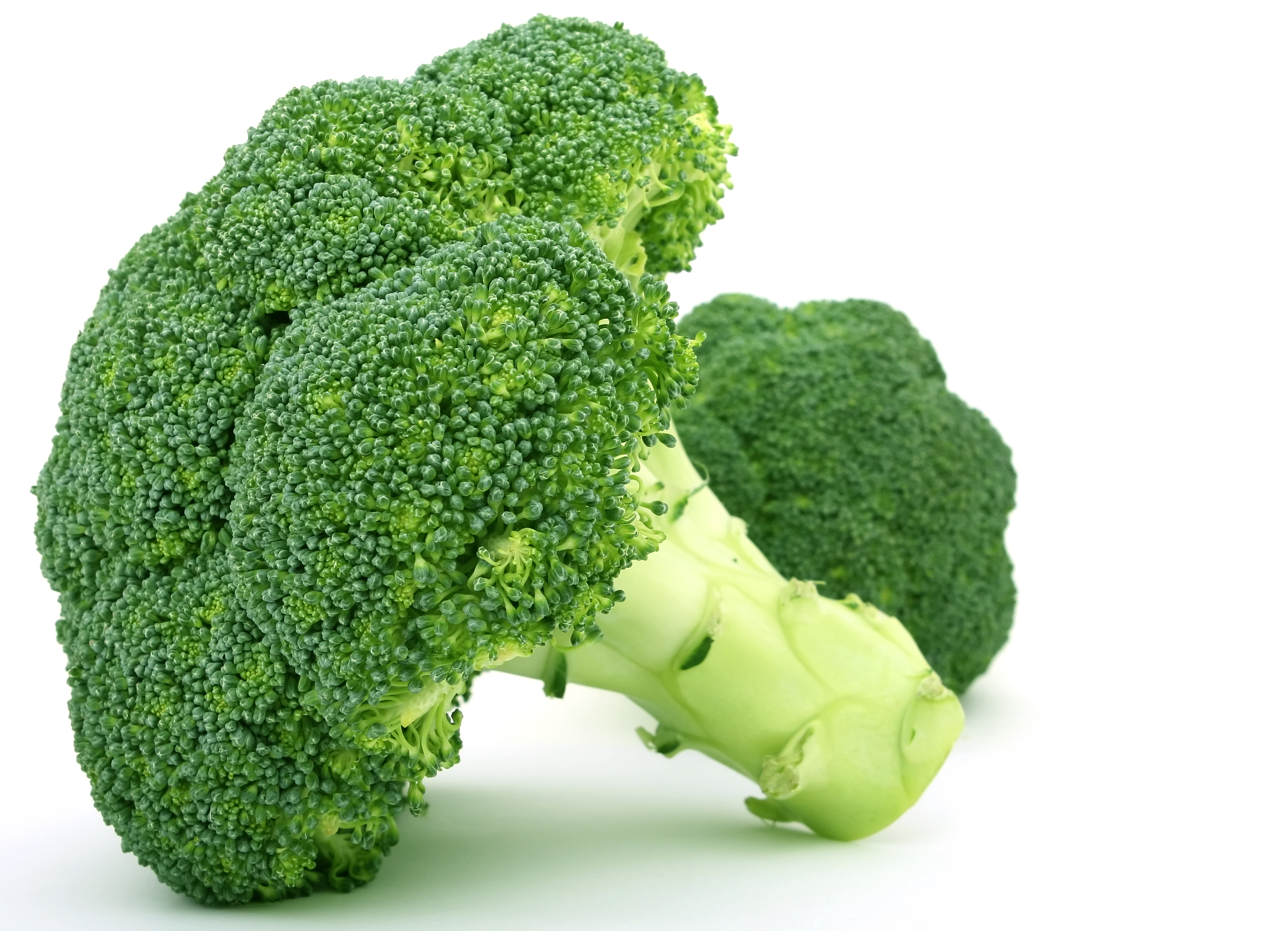
BROCCOLI
As a company we advise our customers to use Broccoli because it is a potent anti-oxidant which has been proven to protect against cancer. As a company sealing with fruits and vegetable this broccoli it is loaded with Vitamin C, this is more than oranges, that we should all be consuming as much as possible especially to prevent cancer. A chemical called Sulforaphane is in broccoli, it has been shown to kill peptic ulcers and gastritis.
There is scientific method or fact for you to ponder on as you drink one of our broccoli raw juice combinations: Broccoli resonates energetically at 300MHz Compare this to our bodies that start to become diseased if its cells are resonating below 50MHz and a cancer cell resonates between 0 and 30MHz.


THE FIVE BENEFITS OF GROUND NUTS........
Groundnuts, also known as peanuts, are considered a very healthy snack. Although small in size it plays a vital nutritional role and contains amazing health benefits.
The health benefits includes:
Helps Promote Fertility (Folate) Peanuts contain a good amount of folate. Repeated studies have shown that women who had a daily intake of 400 micrograms of folic acid before and during early pregnancy reduced their risk of having a baby born with a serious neural tube defect by up to 70%.Helps Fight Depression (Tryptophan) Peanuts are good sources of tryptophan, an essential amino acid which is important for the production of serotonin, one of the key brain chemicals involved in mood regulation. When depression occurs, a decreased amount of serotonin may be released from the nerve cells in the brain. Tryptophan may raise serotonin’s antidepressant effects when there is an increased amount of serotonin in the blood. Boosts Memory Power (Vitamin B3) Do you know what can be found in peanuts that gave them the “brain food” tag? This is due to their vitamin B3 or niacin content whose many health benefits include normal brain functioning and boosting memory power.Aids in Blood Sugar Regulation (Manganese) One fourth cup of peanuts can supply the body with 35% of the DV of manganese, a mineral which plays a role in fat and carbohydrate metabolism, calcium absorption, and blood sugar regulation. Cancer Protection A form of phytosterol called beta-sitoserol (SIT) is found in high concentrations in some plant oils, seeds, and legumes including peanuts. Phytosterols not only protects against cardiovascular disease by interfering with the absorption of cholesterol, they also protect against cancer by inhibiting tumor growth.
KAMARA FELISTER SHAHIDI
BAPRM 47515
C.E.O


I DON’T BELIEVE YOU KNOW THIS ABOUT THE JACKFRUIT!


Jackfruits in Swahili are known as fenesi.This fruit or these fruits are loved by many people this is because of its delicious smell and also sweet test its fresh is very high in fiber content so the taste and the texture of it makes it a great fruit. But this frit is not easily accessed because it is very rare to found in market place being sold but here at our store we have made it possible for you to find get it.What I like to share with you about the goodness of this fruit is that

Jackfruits contains vitamin B6 and vitamin C, it is also rich in antioxidant that’s helps to protect one from cancer, aging faster since there those who age very fast, protects the body from the degenerative deseases,it good for the eye sight and increasing the immunity of the body to fight against the common diseases such as cough, cold and flue by forming a strong resistance against infections.

Dear customers make it your custom to eat deferent types of fruits also test the one that you have never test before since there are deferent varieties of fruits and they both differs in terms on how they provides deferent nutrition’s to our boy sine our company cares for your health that why we makes so much effort to provide you with all kinds of fruits that you need


BY: JACQUELINE JAWA K

 BAPRM 47506


SPECIAL ANNOUNCEMENT  TO OUR LOYAL CUSTOMERS

            As a Public Relations Officer at Lucky fruits and Vegetable Company Ltd I would like to take this opportunity to inform our loyal customers that from 13/05/2017 until 06/06/2017 we will have depreciation from our fruits and vegetables due to Ramadan. Therefore you’re most welcome to purchase our products as much as you can.


PREPARED BY: USWEGE MESHACK

BAPRM 47647